







0
167
Don and Carol Croft and the origin of field orgonite
If today we talk about field orgonite — Towerbusters, HHGs, Cloudbusters, Earth Pipes, Earth ..
0
228
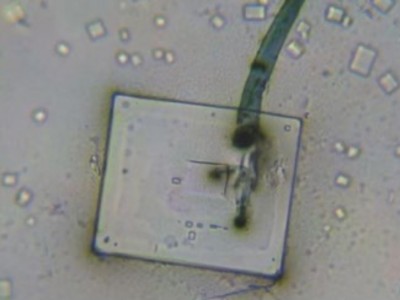
Orgonite Blocks the Self-Assembly of Synthetic Nanotechnology
Study published: July 2025 | Dr. David Nixon, M.B., Ch.B. | Journal of BioNano..
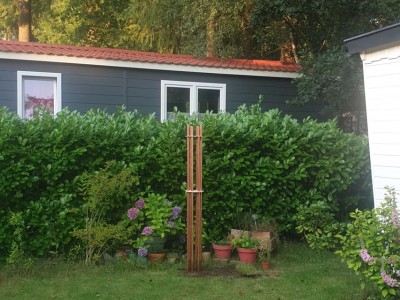
0
4404
What is an Orgonite Cloudbuster
The orgonite Cloudbuster —the classic "Rompenubes" by Don and Carol Croft— is probably the most striking device in ..
0
297
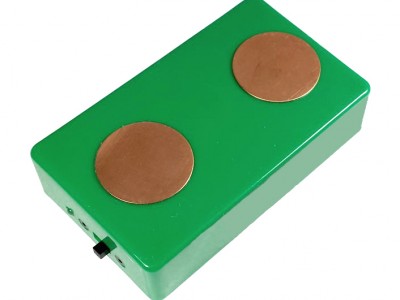
What is the Terminator Zapper
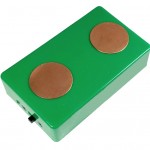
The Terminator Zapper is one of the best-known devices in the work of Don and Carol Croft. At ORGONITA.EU it is pr..
0
240
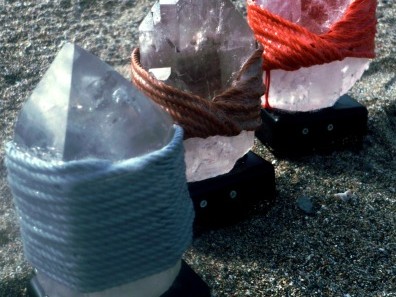
What is the Succor Punch
The Succor Punch is a radionic device created by Don Croft, the same inventor behind modern field orgonite. It combines..
0
213
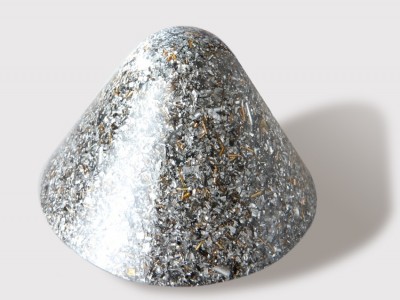
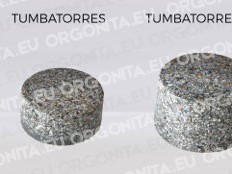
HHG Orgonite: What It Is, How It Works and Where to Place It
If you have been around the world of orgonite for a while, you have probably heard of th..
0
282
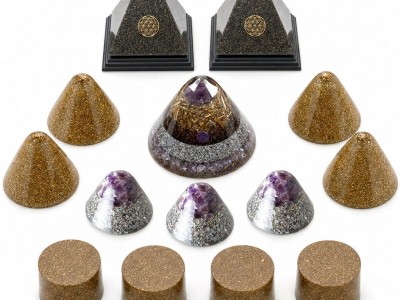
Field Orgonite vs Interactive Orgonite (decorative): real differences and how to avoid fake orgonite
If you are looking for orgonite for the first ti..
0
313
The Orgonite Super Saver Bundles Are Back: More Options to Protect Your Home According to Your Needs and Budget
After some time, the Orgonite Super S..

0
277
Orgonite for sleep: where to place it in the bedroom and what to do with your phone and Wi-Fi
The bedroom should be the calmest place in the home. Bu..

0
274
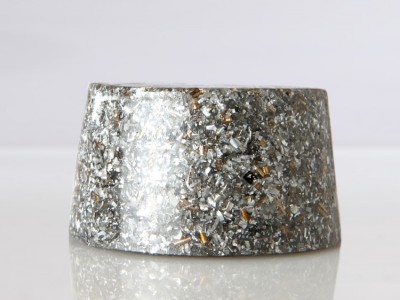
Orgonite and Wi-Fi: what to use near the router, computer and electronic devices
The Wi-Fi router has become one of those devices that stays on all t..
0
341
Orgonite Towerbusters: what they are, what they are used for and when to use them
If orgonite had a basic toolbox, Towerbusters would be right a..

0
344
Where to place orgonite at home: router, bedroom, desk, and garden
If you already have a piece of orgonite in your hand and you are thinking, “G..
0
375
If you know my story and love the products, you can now promote them and earn a 15% commission by promoting something that helps others.Sign up herebe..

0
1226
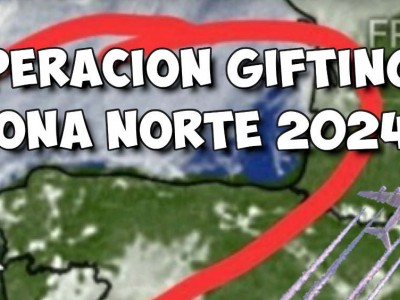
As you know, tactical orgonite was designed and primarily used worldwide to heal the DOR emitted by antennas, radars, and erratic or corrupt energy po..
0
1363
Gifting orgonite to heal the atmosphere of a whole country and bring back natural rain is a big task for just one person but much easier when a few aw..

0
1339
Since 2009 orgonita.eu has been evolving, offering orgonite all over the world. The website has evolved as well and now we have a new version that we..
0
1121
Since 2009 orgonita.eu has been evolving, offering orgonite all over the world. The website has evolved as well and now we have a new version that we..

0
1227
Death Towers: 'The Emperor has no Clothes!' - May 12, 2006 07:32by Don Croft I compiled a list of observations that rational people can use to underst..

0
1272
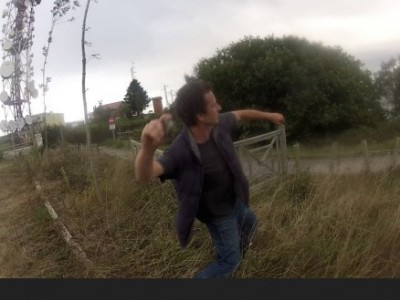
July 15th 2021A client send me this video using a Towerbuster XL produced here. It shows the effects of the piece on water molecules and how they crys..
0
1139
2011
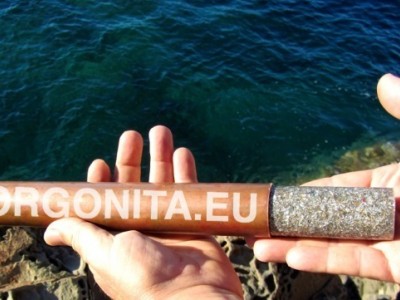
This article comes after several mails exchanged with a person who was alarmed by the issue of chemtrails and climate terrorism (I will not norma..

0
223
Orgonite Earth Pipes and Earth Plugs: new tools for gifting and working with the earth
I am proud to introduce more tools to the ORGONITA.EU catalogu..
0
160
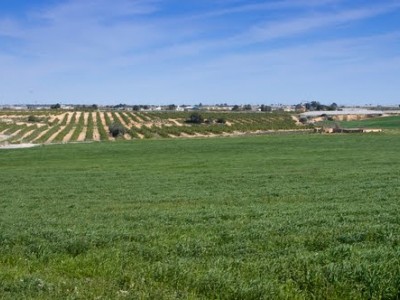
Conversation with Castilla La Mancha's farmer after 2 years of Gifting orgonite
Here is part of several conversations i had with the farmer last y..
0
137
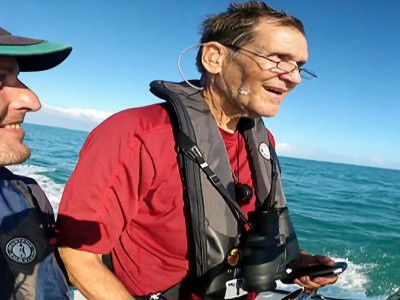
This happened in 2015. Two etheric warriors. One overloaded Zodiac. Death towers flipped, a giant blue hole gifted, dolphins that showed up on cue, an..
0
877
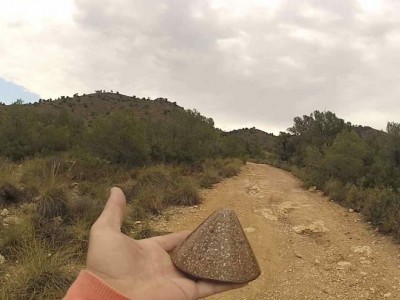
I had a pleasant surprise last May 2014 when someone invited me to gift his area in Castilla La Mancha. This person is a farmer who had tested the pos..
0
1137
I wanted to simply write a post about the advantages and importance
of simple field orgonite such as Towerbusters and HHG Pyramids to adress
the eve..
0
93
To give you an idea of the routes we took across the Canary Islands, here is a map with the ferry routes we took from Arrecife (Lanzarote) to El Hie..
0
242
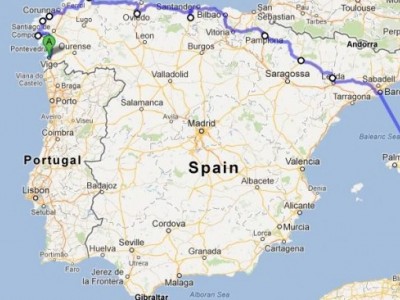
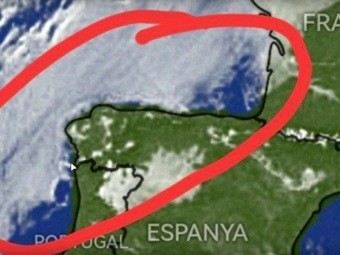
I should have written this post a long time ago, as it has been almost a year since the gifting in northern Spain and the results have been excellent...
0
221
ON SEPTEMBER 10th I'M HEADING TO ASTURIASI finally received the car’s suspension part, so the mechanic fitted it for me in the morning and I was able..
0
236
THE NEXT DAY, SEPTEMBER 7THIt was time to head back to the sea. I decided to head west to Santander and return by sea to Santoña. I’d already cycled ..
0
899
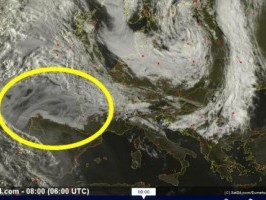
As published in etheric warriors forum in Ocotber 1st 2012ok. So here is the report from the gifting of the gulf of Biscay. It has been a good
journe..
Showing 1 to 31 of 31 (1 Pages)