





What is orgonite, what is it used for, and how do you use it?
A complete guide to understanding orgonite before choosing yours
If you've landed here, you've probably heard about orgonite — maybe you've seen a resin pyramid with metals and crystals inside, someone recommended placing a piece near your router, or you're looking for a clear explanation before buying. Orgonite attracts a lot of curiosity because it sits across several worlds: craft, minerals, orgone, energetic protection, gifting, personal use, environmental use, and tactical work.
This guide gives you a complete, practical, and well-organised explanation. It's not just about saying that orgonite is a mixture of resin, metal, and quartz. That's true, but it doesn't go far enough. What matters is understanding what separates decorative orgonite from functional orgonite, why such different pieces exist — pendants, pyramids, Towerbusters, HHGs, Earth Pipes, Cloudbusters — and how to choose the right piece for the way you want to use it.
At ORGONITA.EU we work especially with field orgonite and practical orgonite. That means pieces built to be used for real: at home, at work, near electronic devices, in the garden, in gifting, or in more advanced projects. If you already know what type of piece you're looking for, you can go straight to the main categories:
- Field Orgonite
- Interactive Orgonite
- Orgonite Pendants
- Orgonite Pyramids
- Cloudbuster
- Radionics
- Terminator Zapper
- DIY Orgonite
What is orgonite
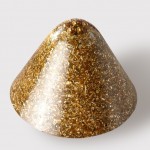
Orgonite is a solid piece typically made from three basic elements: resin, metal, and quartz. The resin acts as the organic component, the metal as the inorganic component, and the quartz as the central crystal. This combination is associated with the concept of orgone — an idea historically linked to vital energy.
The word orgone was popularised by Wilhelm Reich, who spent decades researching what he considered a vital energy present in living organisms, the atmosphere, and nature. Later, other researchers and experimenters developed devices based on resin, metals, and crystals. In the modern orgonite tradition, Don and Carol Croft played a very important role in extending the practical use of tactical orgonite, Towerbusters, HHGs, and gifting.
A simple way to understand it:
Orgonite is an energetic tool made from resin, metal, and quartz, used by many people to harmonise spaces, support personal processes, and work tactically on their environment.
Not all orgonite pieces are the same. Some are made primarily for decoration or personal use. Others are designed to work outdoors, near antennae, in gardens, on land, or in spaces where a broader effect is sought. That's why at ORGONITA.EU we distinguish between interactive orgonite, field orgonite, and more advanced devices.
What orgonite is made of
The composition can vary, but a well-made orgonite piece typically includes:
Resin
Resin is the organic part of the piece. As it hardens it forms a compact block that holds all the elements together and compresses the quartz inside. This compression is one of the reasons why it's traditionally considered important for the piece to be solid, dense, and properly cured.
Metal
Metal is usually present in the form of shavings, filings, granules, or small fragments. It can be aluminium, bronze, copper, brass, steel, or other metals. In field orgonite, the amount of metal is especially important. A piece with too much empty space and too little metal may look attractive but is not necessarily functional.
Quartz
Quartz is considered the basic crystal of orgonite. Many pieces use clear quartz, milky quartz, or quartz points. Other minerals can also be added — amethyst, tourmaline, shungite, pyrite, kyanite, malachite, and others — depending on the type of piece.
Additional minerals and elements
In personal or interactive pieces, minerals can be included for a specific purpose. For example, a pyramid may contain amethyst for meditation, shungite for a more protective focus, or black tourmaline for an energetic clearing orientation. In tactical pieces, by contrast, the priority is usually the metal-resin-quartz ratio and durability.
If you want to make your own pieces, visit the DIY Orgonite section, where you'll find materials for making orgonite.
What is orgonite used for
Orgonite is used in several ways. The answer depends a great deal on the format, size, materials, and intended use. A pendant you wear with you is not the same as a Towerbuster buried outside, a pyramid placed in the living room, or a Cloudbuster.
These are the most common applications:
Orgonite for the home
Many people use orgonite at home to harmonise specific spaces. The most common locations are:
- Bedroom
- Work desk
- Near the Wi-Fi router
- Next to the computer
- Home entrance
- Living room
- Garden
- Terrace
- Children's room
For home use, a good combination is usually placing a Towerbuster near the router, another in the bedroom, and a personal or decorative piece in the space where you spend the most time. If you want a simple, functional piece to start with, Towerbusters are a practical option.
Orgonite for electronic devices and Wi-Fi
One of the most common questions is whether orgonite can be placed near the router. Yes — many people place it near the router, computer, television, microwave, or work area. The important thing is not to block ventilation or position the piece in a way that could physically affect the device.
For this use, the following pieces tend to work well:
- Towerbusters
- XL Towerbusters
- Orgonite pyramids
- Small button pieces for mobile devices
- Pendants if you're looking for personal use
Orgonite for meditation and personal use
Orgonite is also used as a personal tool. Some people meditate with it, place it on a work desk, wear it as a pendant, or use it as a physical reminder of balance, protection, and presence.
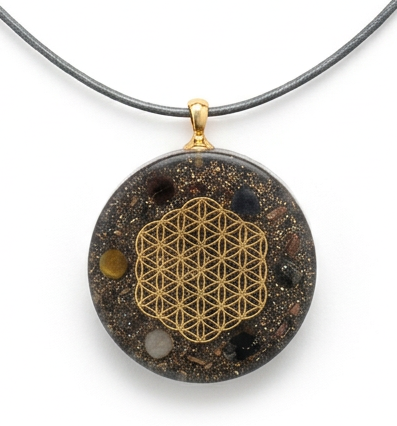
For personal use, visual pieces that are comfortable and close to the body tend to be most suitable:
- Orgonite Pendants
- Orgonite Pyramids
- Interactive orgonite
- Pieces with specific minerals
A pendant is a simple way to carry orgonite with you throughout the day. A pyramid may be better for placing on a table, altar, office desk, or meditation space.
Orgonite for gardens, plants, and outdoor use
Field orgonite is widely used in gardens, allotments, around trees, in plant pots, on land, and in outdoor spaces. In this case, the piece doesn't need to be particularly decorative. What matters is that it's durable, dense, and functional.
For gardens and outdoor use, the following are commonly used:
A simple way to start is to place several pieces at the corners of the garden, near trees, or around the area you want to work. In allotments and kitchen gardens, many people place orgonite near the soil or partially buried.
Tactical orgonite and gifting
Gifting is one of the most important uses within the tradition of Don and Carol Croft. It involves placing tactical orgonite at specific points in the environment. The idea is to use simple, affordable, and durable pieces to act on outdoor areas.

At ORGONITA.EU, field orgonite is one of the central parts of the store. It is not primarily designed to decorate. It's designed to work.
The most common pieces for gifting are:
- Towerbusters
- Packs of 50 or 100 Towerbusters
- XL Towerbusters
- HHG
- Earth Pipes
- Cloudbuster
Gifting requires common sense, discretion, and respect for the environment. It is usually carried out outdoors, on land, in gardens, along paths, or in spaces where the piece can remain without disturbing anyone.
Interactive orgonite
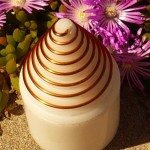
Interactive orgonite is more oriented towards personal, energetic, or conscious work. It can include coils, copper configurations, specific minerals, magnets, or designs intended to interact more directly with the person.
This type of orgonite tends to interest those who already have experience with basic pieces and want to work in a more personal or specific way.
Types of orgonite and which to choose
Towerbusters
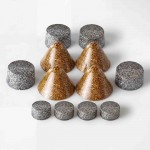
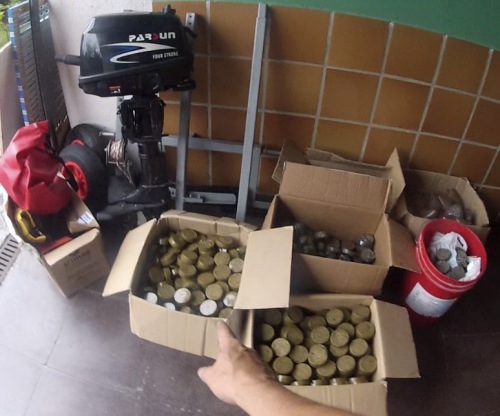
The Towerbuster, also known as a TB, is the basic piece of tactical/field orgonite. It is compact, affordable, durable, and very versatile. It works for home use, near the router, in the garden, for gifting, and outdoors.
Recommended if:
- You're just starting out
- You want several practical pieces
- You're looking for orgonite for home or outdoor use
- You want to do gifting
- You need an affordable and functional option
See category: Towerbusters
XL Towerbusters
The XL Towerbuster is a larger, more powerful version of the standard Towerbuster. It's useful for larger spaces, gardens, land, outdoor areas, or anywhere you want a piece with greater mass.
Recommended if:
- You have a garden or plot of land
- You want to cover a larger area
- You're looking for a stronger piece for outdoor use
- You've already used standard Towerbusters
See product: XL Towerbuster
HHG
The HHG, or Holy Hand Grenade, is a classic piece in the tactical/field orgonite tradition. It usually has a cone or pyramid shape and more mass than a Towerbuster. It's used for larger spaces, outdoors, advanced gifting, or as a central piece in a given area.
Recommended if:
- You want something more powerful than a Towerbuster
- You're looking for a piece for a large room
- You want to work a garden or plot of land
- You're interested in the classic Croft tradition
You can see an example on the Orgonite Pyramid HHG Plus page.
Orgonite pyramids
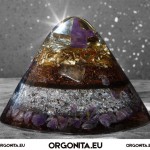
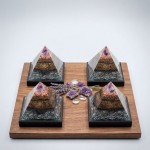
Pyramids tend to have a more visual, personal, and decorative element, although they can also be functional when well made. They're ideal for tables, altars, desks, meditation spaces, or interior settings.
Recommended if:
- You want a visible, aesthetic piece
- You're looking for orgonite for your desk or room
- You're interested in specific minerals
- You want to combine function and visual presence
See category: Orgonite Pyramids
Orgonite pendants
Pendants are designed for carrying orgonite with you. They're small, personal, and comfortable. They're used as a daily piece, as an energetic talisman, or as a way to keep orgonite close to the body.
Recommended if:
- You want personal orgonite
- You spend a lot of time away from home
- You're looking for a discreet piece
- You're interested in combining minerals with everyday use
See category: Orgonite Pendants
Earth Pipes and Earth Plugs
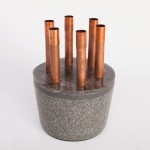
Earth Pipes and Earth Plugs are tactical pieces for outdoor use, especially related to in-ground work. They are not pieces to carry on you or to decorate a table. They are designed for practical placement.
See products:
Cloudbuster
The Cloudbuster is an advanced piece related to atmospheric work. It's not the best option for someone who has just discovered orgonite. Before reaching a Cloudbuster, it's usually best to start with Towerbusters, HHGs, pyramids, or pendants.
Recommended if:
- You already have experience with orgonite
- You're interested in atmospheric work
- You want an advanced piece
- You understand the tradition of Reich, Don Croft, and gifting
How to use orgonite step by step
Step 1: Decide on your primary use
Before buying, ask yourself:
- Do I want to carry it on me?
- Do I want it for home use?
- Do I want it near the router or work area?
- Do I want it for the garden or outdoors?
- Do I want it for gifting?
- Do I want it for meditation?
- Do I want it to make my own pieces?
Your answer will tell you what type of orgonite you need.
Step 2: Choose the right format
Use this quick guide:
| Use | Recommended format |
|---|---|
| Getting started at home | Towerbusters |
| Router and electronics | Towerbusters or XL Towerbusters |
| Daily personal use | Pendants |
| Meditation or desk | Pyramids |
| Garden or allotment | XL Towerbusters, Earth Pipes, HHG |
| Gifting | Towerbusters, packs, HHG |
| Atmospheric work | Cloudbuster |
| Making your own pieces | DIY Orgonite |
Step 3: Place it where it makes sense
No need to overcomplicate it. Place orgonite in locations where you spend time or where you want it to work:
- Near the router
- On the bedside table
- On the desk
- Near the entrance
- In the garden
- In a plant pot
- Near electronic devices
- In the corners of a room
- In the car
Step 4: Observe and adjust
Orgonite doesn't require complicated rituals. You can place it, notice how you feel, and move it if you think it's needed. Some people prefer one piece per room. Others concentrate several pieces in specific areas.
Step 5: Build on your experience
A good progression would be:
- Start with Towerbusters for home and router.
- Add a pendant if you want personal use.
- Add a pyramid or HHG for interior spaces.
- Use XL Towerbusters or Earth Pipes for outdoor use.
- Explore gifting or a Cloudbuster once you have experience.
Where to place orgonite in different situations
In the bedroom
Place it on the bedside table, under the bed, or in a corner of the room. If you're sensitive to energetic changes, start with a single piece and observe.
In the living room
A pyramid or HHG can work well as a visible piece. You can also place Towerbusters in discreet spots.
On the desk
A piece near the computer, between the router and the work area, or in a corner of the desk can be a good option.
Near the router
Place a Towerbuster nearby, but not on top of ventilation grilles. If the router is in a central area of the home, it can be a priority point.
In the garden
You can place Towerbusters or XL Towerbusters at corners, near trees, in plant pots, or in growing areas. For more advanced in-ground work, see Earth Pipes.
In the car
A small Towerbuster or compact piece can be placed in a secure spot where it won't move or interfere with driving.
How to tell if an orgonite piece is well made
A well-made orgonite piece doesn't depend solely on how attractive it looks. It needs a composition that matches its intended purpose.
Look for these points:
- Enough metal content.
- Quartz is included.
- The resin is properly cured.
- The piece is solid and durable.
- The format makes sense for the use.
- It's not just a transparent piece with minimal metal loading.
- The seller explains what each type of orgonite is for.
In tactical pieces, aesthetics are not the main priority. In pendants and pyramids, aesthetics can carry more weight, but without losing the functional basis.
Common mistakes when using orgonite
Buying purely on aesthetics
An orgonite piece can look beautiful, but that doesn't mean it's the most suitable for your goal. If you want gifting or outdoor use, prioritise tactical pieces.
Using one piece for everything
A decorative pyramid doesn't necessarily replace several Towerbusters in a large house or garden. Each format has its function.
Not distinguishing personal use from environmental use
A pendant works with you. A Towerbuster works at a point in space. A Cloudbuster works at a different scale entirely. They are not interchangeable.
Placing the piece without thinking about the environment
Orgonite works best when placed with practical intention. Bedroom, router, desk, garden, and entrance are usually good starting points.
Thinking all orgonite is the same
Not all pieces have the same composition, density, size, or purpose. That's why it's important to choose based on use, not just shape.
Frequently asked questions
Does orgonite need to be activated?
Orgonite doesn't need any complicated activation. You can clean it physically, place it in the chosen location, and use it. Some people prefer to accompany the placement with a personal intention, but this is not required.
Can it get wet?
Well-cured tactical pieces generally withstand outdoor conditions. Even so, pieces with decorative finishes, pendants, or exposed metal elements should be handled with more care.
Can it be buried?
Yes, especially tactical/field orgonite. Towerbusters, Earth Pipes, and Earth Plugs are designed for outdoor or in-ground use.
How many pieces do I need for a house?
To start, between 3 and 6 Towerbusters can be enough to cover bedroom, router, desk, living room, and entrance. In larger homes, gardens, or plots of land, you can add more pieces as needed.
What orgonite should I buy as a beginner?
Start with Towerbusters if you want something practical, with pendants if you want personal use, or with pyramids if you're looking for a visual piece for indoors.
What's the difference between a Towerbuster and a pyramid?
The Towerbuster is more tactical, affordable, and designed for practical placement. The pyramid tends to be more visual, personal, and suited to interior use.
What's the difference between a Towerbuster and an HHG?
The HHG usually has more mass, a cone or pyramid shape, and is used for larger spaces. The Towerbuster is the basic piece for getting started and for gifting in quantity.
Can I make orgonite at home?
Yes. If you want to make your own pieces, start by learning about resin, safety, metals, and quartz crystals. You can see materials in the DIY Orgonite section.
How to choose your first orgonite piece
If you're still not sure where to begin, use this guide:
- For home use: Towerbusters
- For outdoor use: XL Towerbusters
- To carry on you: Orgonite Pendants
- To decorate and harmonise a room: Orgonite Pyramids
- For gifting: Field Orgonite
- To make your own pieces: DIY Orgonite
- For advanced work: Cloudbuster
Conclusion
Orgonite is much more than an attractive resin piece with minerals. It can be a personal tool, a piece for harmonising spaces, a support for meditation, a handcrafted object with meaning, or a tactical tool for gifting and outdoor work.
The key is choosing well. You don't need to start with the biggest or most complex option. If you're just starting out, a few Towerbusters for home use, a personal pendant, or a pyramid for your space can be more than enough. If you already have experience, you can explore HHGs, XL Towerbusters, Earth Pipes, Cloudbusters, or materials to make your own pieces.
At ORGONITA.EU you'll find both simple pieces for beginners and tactical tools for advanced users. The best orgonite is not always the most beautiful or the most expensive. It's the one that matches the real use you want to give it.
---
Recommended links within the article
- What is Orgonite and Orgone
- Wilhelm Reich and the Crofts
- Field Orgonite
- Interactive Orgonite
- Towerbusters
- XL Towerbuster
- Orgonite Pendants
- Orgonite Pyramids
- Cloudbuster
- Radionics
- Terminator Zapper
- DIY Orgonite
- ORGONITA.EU Blog
- About Me